
private riads
A room-led shoot needs a representative room-category plan rather than trying to film every unit.
The named business supplies public context only. Replace all hypothetical copy, demo media and unverified outcome fields before publishing a real case study.
This worked example shows how an international hotel group, luxury travel brand or retained agency could document a Marrakech production without reducing the story to beautiful rooms and a generic showreel.
What a strong case study must prove
A room-led shoot needs a representative room-category plan rather than trying to film every unit.
Travel time, equipment staging and guest circulation must be mapped before the call sheet is locked.
Wellness imagery requires its own privacy, sound, treatment-room and talent protocol.
Food, service and dining atmosphere need separate windows, styling and kitchen coordination.
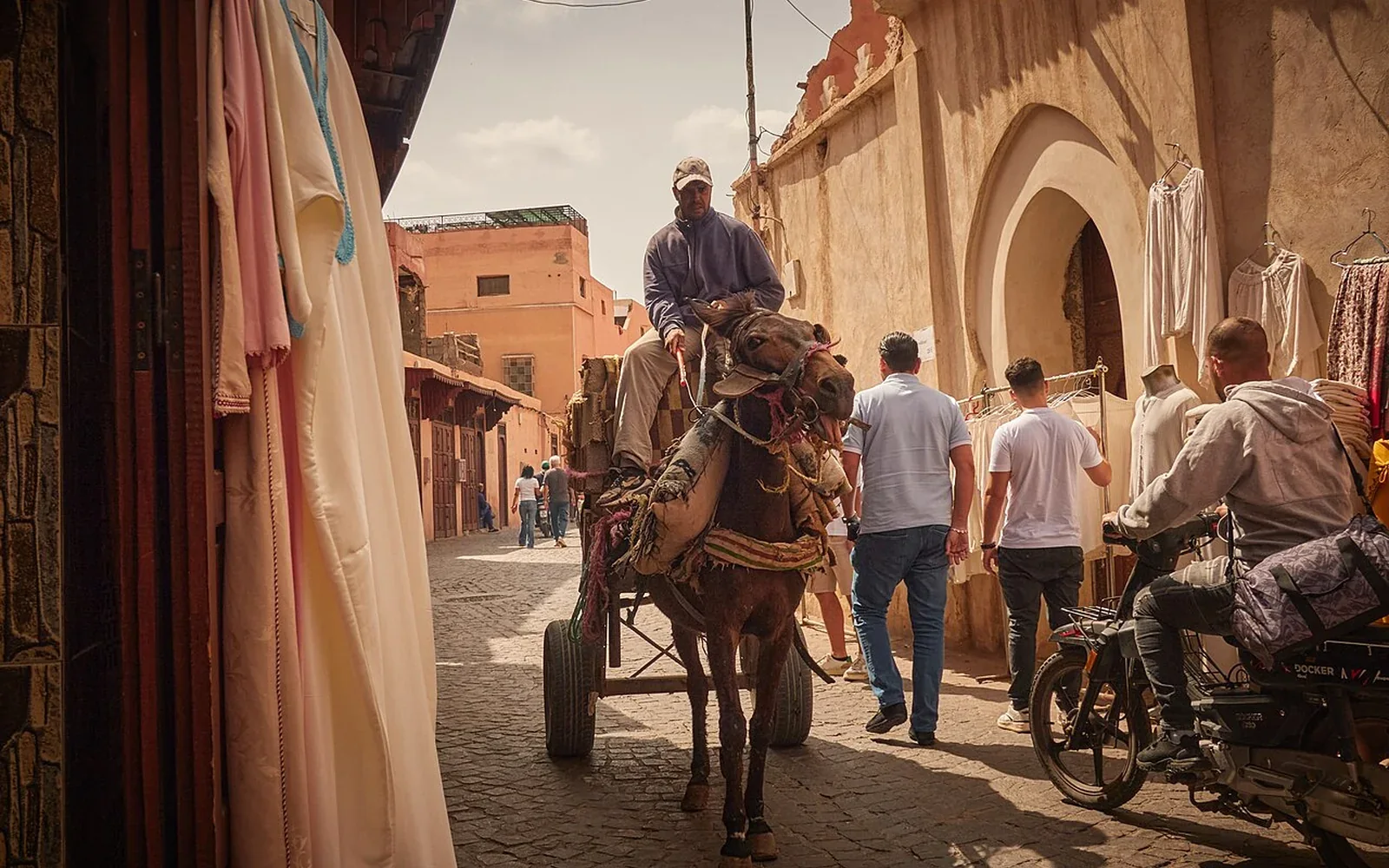
Royal Mansour Marrakech is used here only as a public-context benchmark. Its official website describes a five-hectare estate, 53 private riads, four signature restaurants and a 2,500 m² spa. Those numbers illustrate why a luxury-property brief cannot be treated as one continuous location: each experience has its own light, operating schedule, guest privacy risk and booking objective.
The hypothetical brief below is not a SQUADPROD project and does not imply a relationship with Royal Mansour. It demonstrates the level of operational and commercial detail that should be collected before an approved client case study goes live.
Illustrative commercial objective: build one global master film and a reusable content library that helps high-intent travellers understand privacy, craftsmanship, dining and wellness before they reach the booking engine.
The case study would need to identify the conversion role of every asset. A 90-second brand film may support trade presentations and the website, while 15-second vertical edits can introduce one experience at a time to paid-social audiences. Still images can feed press, CRM and destination-partner toolkits.
Audience and distribution
| Audience | Channels | Job the content must do |
|---|---|---|
| Luxury leisure travellers | Website, YouTube and paid social | Show the difference between a conventional suite and the private-riad experience. |
| Travel advisors and tour operators | Sales presentations and partner portals | Provide a concise visual explanation they can use during client consultation. |
| International press and creators | Press room and hosted-trip briefing | Create cleared assets with accurate captions, names and usage periods. |
| Wedding and private-event buyers | Direct outreach and landing pages | Show scale, privacy and service without exposing existing guests. |
Production constraints
Define no-camera zones, release requirements and a rapid stop protocol. A luxury case study loses credibility if it treats real guests as background texture.
Plan around occupancy, housekeeping, table setup, spa operations and event turnover. The schedule should show which scenes can be captured only once.
The creative treatment should feel specific and premium without relying on slow-motion clichés, excessive drone footage or an interchangeable 'Moroccan luxury' montage.
Separate creative approval, factual approval and legal/rights approval. A single global approver is rarely enough for hotel, restaurant, spa and destination claims.
Decide which versions need English, French, Arabic or silent text-led storytelling before interview and graphic design decisions are made.
List the questions a qualified guest or advisor must answer: privacy, room configuration, dining choice, spa depth, location and service. Every scene must resolve at least one question.
Choose a single organising idea, such as the transition from public grandeur to private detail. This prevents the film from becoming a disconnected property tour.
Group scenes by sunrise, service, kitchen, housekeeping and guest-access windows rather than by the order in which they appear in the edit.
Frame hero compositions, vertical crops, clean plates, service details, environmental sound and still-photo moments so the campaign can extend beyond the master film.
Record the final asset count, delivery dates, rights, markets, platform specifications and any verified booking, engagement or partner-usage evidence approved for publication.
Deliverable architecture
| Deliverable | Illustrative specification | Commercial role |
|---|---|---|
| Global brand film | 75–100 seconds, 16:9, clean and subtitled masters | Website, trade presentations, YouTube and media meetings |
| Experience films | 4–6 edits of 20–35 seconds | Riads, dining, spa, gardens and destination storytelling |
| Paid-social variants | 10–16 edits in 9:16 and 1:1 | Audience-specific hooks and retargeting sequences |
| Photography library | 45–80 graded selects | Press, CRM, social, sales collateral and partner use |
| Advisor toolkit | 1 concise deck film plus 6 captioned clips | Luxury-travel advisors and operator training |
| Archive package | Masters, captions, transcript, cue sheet and rights register | International reuse without reopening production files |
Temporary media system
Replace the demo MP4 with the client-approved master or a 45–90 second case-study cut. Use a stable hosted file or accessible YouTube/Vimeo embed and provide captions and a transcript.
Replace with a final graded frame that immediately communicates the approved commercial idea, ideally a human-scale moment inside the real property rather than an empty generic room.
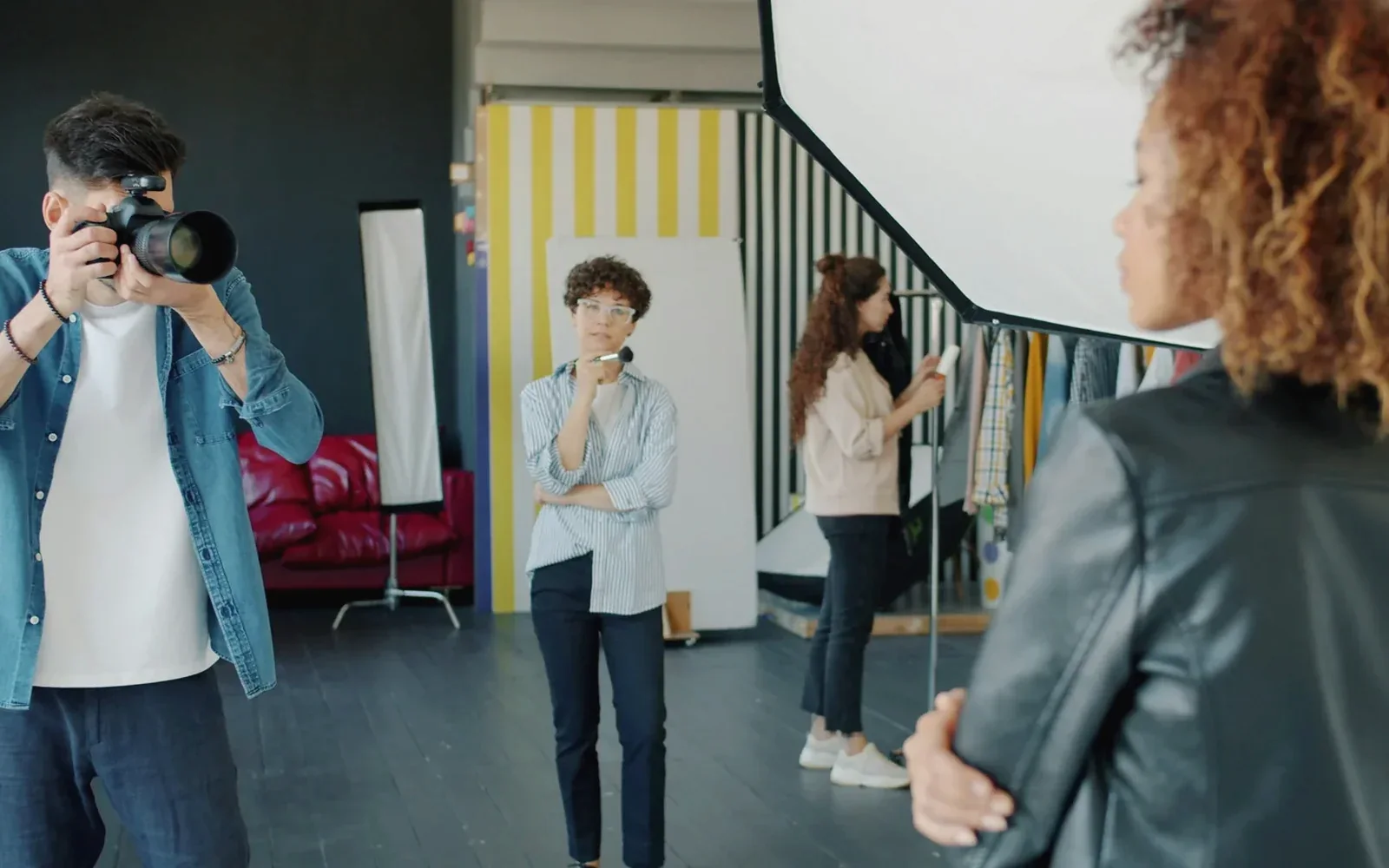
Replace with SQUADPROD behind the scenes showing controlled lighting, property coordination or a compact service-area setup without exposing guests or confidential operations.
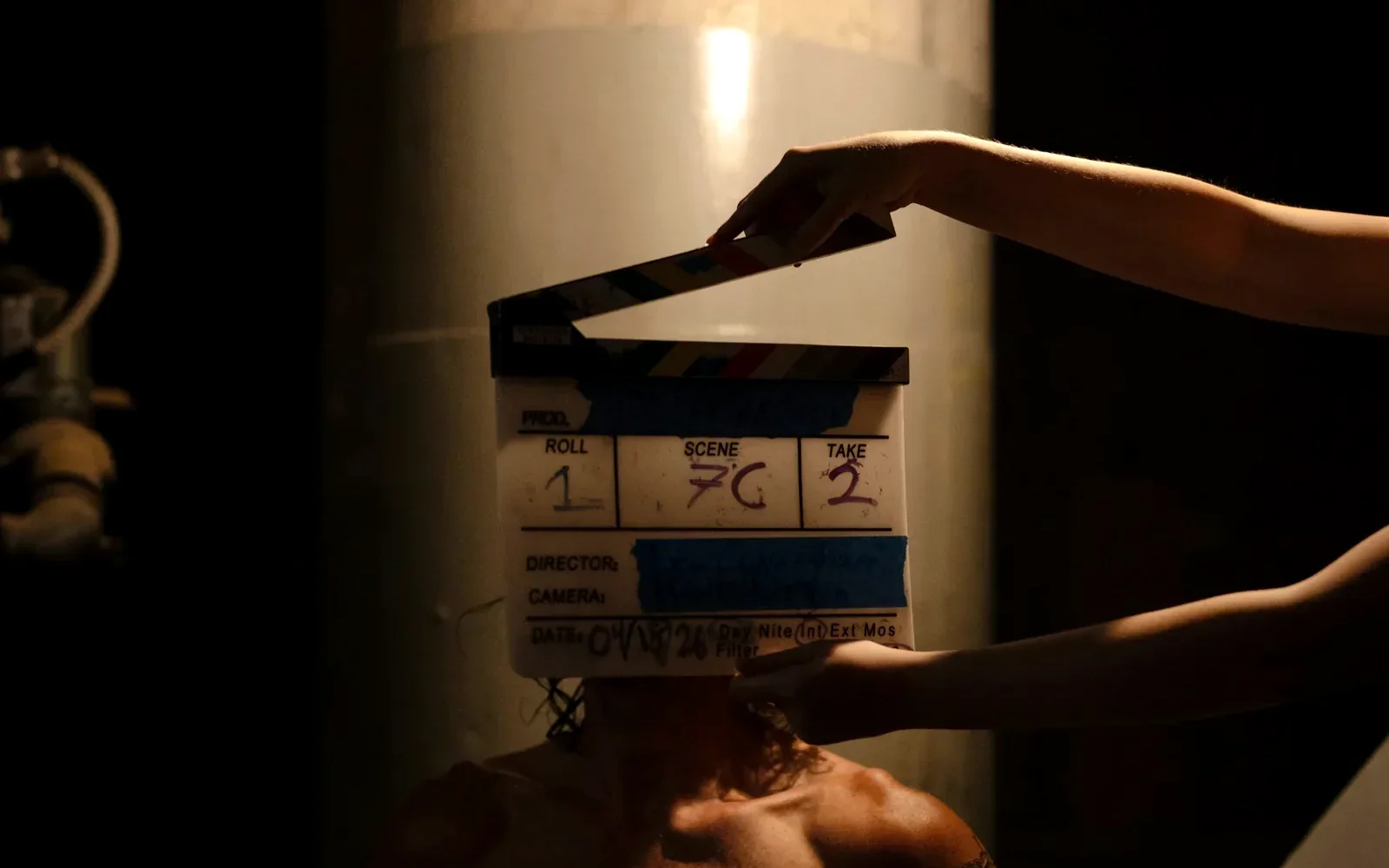
Replace with a contact sheet or final campaign frame set proving the range of approved deliverables: master, vertical edit, still image and partner asset.
Illustrative timeline
Evidence to request
Internal linking model
The source links below support only the public business context. They do not support any claim that SQUADPROD worked for, was endorsed by or delivered results for the named organisation.
FAQ