

CCM category-specific permit periods
The stated period depends on the work: 3 days for ads/institutional films, 7, 15 or 21 days for other categories, and 30 days for series over 120 minutes.
Morocco offers several visual worlds within one country, but that diversity only becomes an advantage when permits, geography, crew, equipment and decision-making are planned as one system.
Direct answer
The stated period depends on the work: 3 days for ads/institutional films, 7, 15 or 21 days for other categories, and 30 days for series over 120 minutes.
A practical SQUADPROD planning buffer, not an official legal deadline.
For qualifying foreign cinema/audiovisual productions, not ordinary commercials or institutional films.
The first mistake is treating Morocco as one location. Casablanca, Rabat, Marrakech, Agadir, Tangier, Dakhla, the Atlas and desert environments create different transport, sound, access, weather and daylight conditions. A schedule that looks efficient on a map can lose productive hours to traffic, hotel operations, transfers, public flow, wind or a late location handover.
The second mistake is mixing production categories. A two-person corporate interview in a private office is not administered like a foreign feature occupying public space with imported equipment and a large crew. The CCM 2026 guide also separates support eligibility: commercials, testimonials and institutional films are listed as non-eligible for the foreign-production cash rebate.
The third mistake is importing a complete foreign workflow without testing local equivalents. Morocco has experienced producers, technicians, fixers, drivers, rental suppliers, stylists and location knowledge. Local hiring can reduce customs complexity, baggage risk and adaptation time. Specialist equipment should be imported only when a shot-level requirement justifies it.
Production should be designed around information flow. A bilingual call sheet, exact map pins, site contact, parking and power notes, nearest medical support, weather trigger and backup scene reduce more risk than another meeting. International decision-makers must know who can approve a change on the ground.
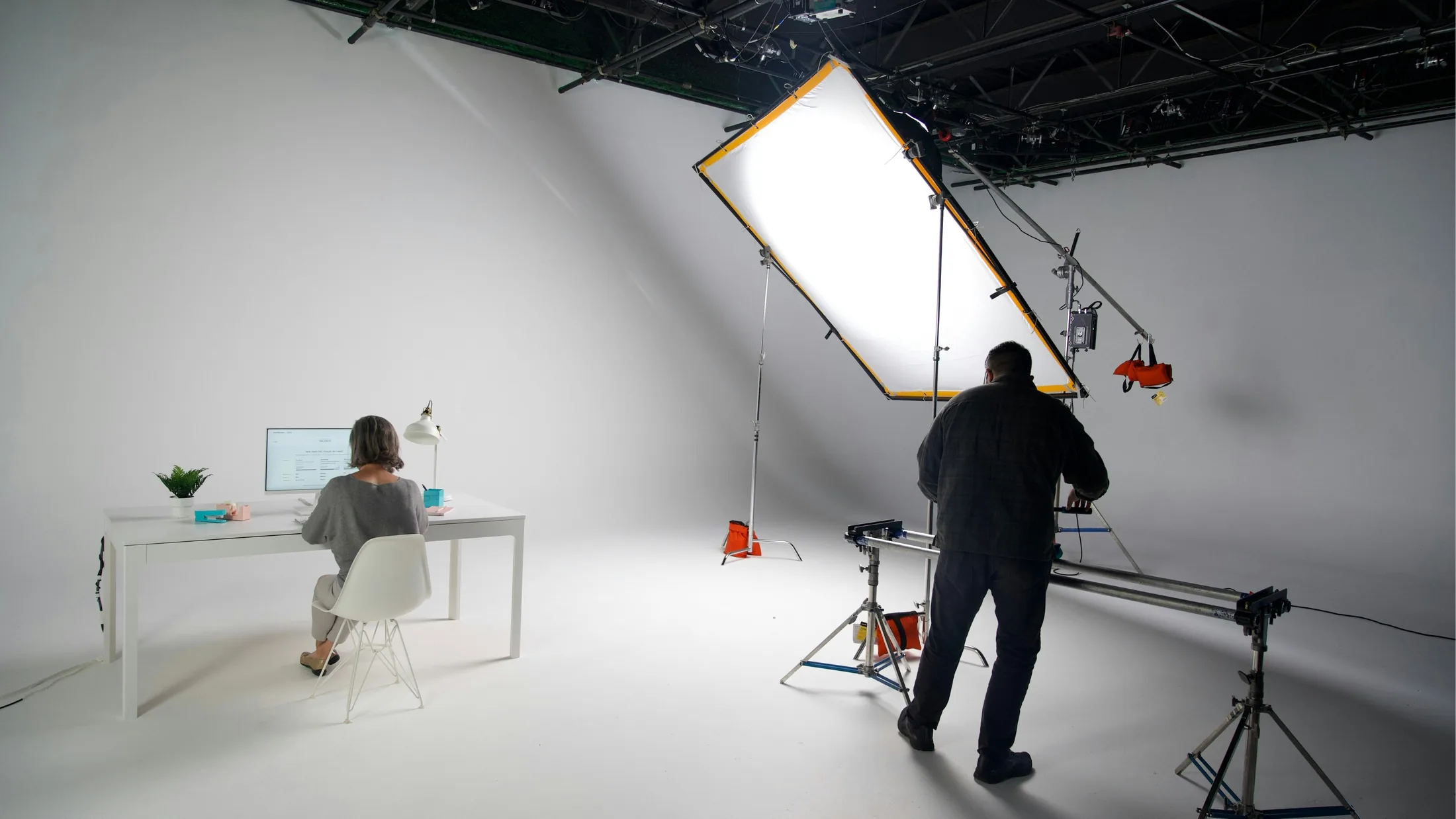
Decision framework
Identify corporate, commercial, documentary, cinema-scale, public-space, drone-enabled or foreign-produced work. The path follows the real activity.
Appoint one Morocco-based producer accountable for permits, suppliers, crew communication, transport and daily reconciliation.
Scout sound, power, sun, public flow, parking, toilets, holding space and restoration, not only beauty.
Compare local rental, travel kits and temporary import by operational need. Build serial, battery, radio and customs documentation early.
Every weather- or permission-sensitive scene needs a ground alternative, interior option or movable schedule block.
Confirm category, local producer, cities, public/private locations, drone intent, imported equipment, talent nationality and media.
Secure conditional location agreements, coordinates, images, scripts/synopsis and company documents. File with margin.
Book crew, transport, accommodation, equipment, catering and security. Confirm customs or ATA route where applicable.
Walk the real schedule at the real time. Test sound, sun, traffic, power, network, access and backup positions.
Release call sheet, maps, contacts, permits, releases, risk notes, priorities, weather trigger, hospital and communications.
Record logs, releases, location sign-off, expenses and equipment checks. Back up to 2 separate physical locations before travel.
Decision table
| Area | What to define | Production consequence |
|---|---|---|
| Private corporate site | Owner permission, operational access, releases | Simpler, but screens, staff and confidential areas remain controlled. |
| Public/controlled location | Location agreement and relevant authority path | Exact footprint, dates, hours and public impact matter. |
| International equipment | Inventory, serials, transport and customs route | Temporary-admission procedures may apply; close the file on exit. |
| Drone sequence | Separate import/operation/location planning | A camera permit does not automatically authorize flight. |
| Talent/contributors | Contract, image rights, media, territory, term | Carry signed releases and a version register. |
| Music/archive | Licensed tracks, cue sheet, masters, backup | Rights and file discipline continue after filming. |
Illustrative planning model
An international brand needs a corporate story, 6 vertical pieces and photography. This is a planning model, not a permit promise.
| Day 0 | Casablanca technical scout | Office access, executive sound test, street logistics, equipment check and bilingual briefing. |
|---|---|---|
| Day 1 | Interviews and operations | Two controlled interview setups, office B-roll and portraits; no company move. |
| Day 2 | Product and customer scenes | One controllable location with 3 scene zones; transfer only after media backup. |
| Day 3 | Marrakech scout + golden hour | Location handover, sun path, wardrobe, local unit and backup interior. |
| Day 4 | Hospitality/lifestyle production | Morning and evening hero scenes, midday details and vertical hooks. |
| Day 5 | Weather reserve/detail day | Released only after priority shots, permissions and media checks. |
The reserve day protects 4 completed days, international travel and a fixed launch. Removing it without reducing ambition only hides the risk.
Risks
Two locations 15 km apart can still require a full company move, parking, reset and new access briefing.
A venue email may not cover public space, drone, brand display, traffic or extended hours.
Wind, heat, dust and coast affect talent, sound, grip and drone. Define objective triggers.
Long travel with one copy is avoidable risk. Separate backups before moving.
Related planning
Sources were checked on 2 August 2026. Platform specifications and administrative processes can change, so confirm the current version before a live campaign, import or permit application.
FAQ