
facilities in 2025
A central visual and consent protocol is needed so every site can contribute consistent evidence.
The named business supplies public context only. Replace all hypothetical copy, demo media and unverified outcome fields before publishing a real case study.
This example is for healthcare groups and international communications teams that need to show scale and clinical capability without exposing patients, overstating outcomes or turning a hospital film into a sterile equipment tour.
What a strong case study must prove
A central visual and consent protocol is needed so every site can contribute consistent evidence.
Scale must be contextualized through care journeys and operations, not presented as a quality claim by itself.
Local access and language vary, so production planning should assign regional coordinators and fallback contributors.
The case study can document geographic reach while avoiding the false impression that every specialty exists at every site.

AKDITAL is used only as a public-context example. Its 2025 annual results reported 41 facilities, 4,505 beds and a footprint across 24 cities and 12 Moroccan regions. This scale illustrates the need for a repeatable production protocol rather than one improvised filming day.
No SQUADPROD relationship or completed AKDITAL project is claimed. The hypothetical model demonstrates how an approved healthcare case study should separate corporate facts, patient stories, medical statements and operational evidence.
Illustrative objective: create a corporate trust film that explains network access, care coordination and human expertise for patients, recruits, partners and international stakeholders.
The case study would need a strict claim hierarchy. Network figures come from approved corporate reporting. Medical claims require specialist validation. Patient outcomes require documented consent and clear attribution. Emotional storytelling can support trust, but it cannot replace evidence.
Audience and distribution
| Audience | Channels | Job the content must do |
|---|---|---|
| Patients and families | Website, social and facility screens | Understand the care journey, people and practical access points. |
| Clinicians and recruits | Employer-brand channels | See teams, working environment, learning and coordination. |
| Partners and investors | Corporate presentations and reports | Understand scale, regional reach and operating model. |
| International healthcare stakeholders | English master and subtitled assets | Receive accurate terminology and clear separation between network facts and clinical statements. |
Production constraints
Patient names, faces, screens, files, wristbands and voice may identify a person. Privacy control starts during scouting, not in the blur stage.
Create a medical claim register and assign a qualified reviewer. Marketing approval alone is not enough.
Quiet windows, infection-control rules, access badges, emergency routes and clinical priorities override the shot list.
Explain intended channels, territories and duration in language the contributor understands. Consent must not be hidden inside a general facility form.
Use controlled interview framing, audio, terminology and data handling while adapting to each facility’s actual workflow.
Create distinct lists for corporate facts, medical statements, patient experiences and visual demonstrations. Assign an owner to every item.
Build the story around what a patient or partner needs to understand before, during and after care, rather than around available rooms and machines.
Map clean filming zones, restricted screens, patient circulation, staff-only areas and emergency stop conditions during the technical scout.
Use short pre-interviews, plain-language releases and topic boundaries. Do not script personal testimony into an advertising claim.
Run separate factual, medical, privacy, brand and subtitle reviews before the client signs the publication approval.
Deliverable architecture
| Deliverable | Illustrative specification | Commercial role |
|---|---|---|
| Corporate trust film | 90–150 seconds, French/English captions | Website, stakeholder meetings and institutional communication |
| Care-journey chapters | 3–5 edits of 30–60 seconds | Patient information and service pages |
| Recruitment stories | 4–8 interview-led vertical edits | Clinician and support-team recruitment |
| Facility visual library | 40–70 cleared stills | Reports, press, recruitment and internal use |
| Terminology package | Transcript, subtitle glossary and claim register | Accurate multilingual deployment |
| Consent archive | Release IDs, usage scope and expiry reminders | Governed reuse and future updates |
Temporary media system
Replace with the approved final film or case-study edit. Provide captions, transcript and an accessible description; do not expose medical or personal data in the poster frame.
Replace with a cleared, human-centred final frame that communicates care and expertise without showing identifiable patients unless explicitly approved.
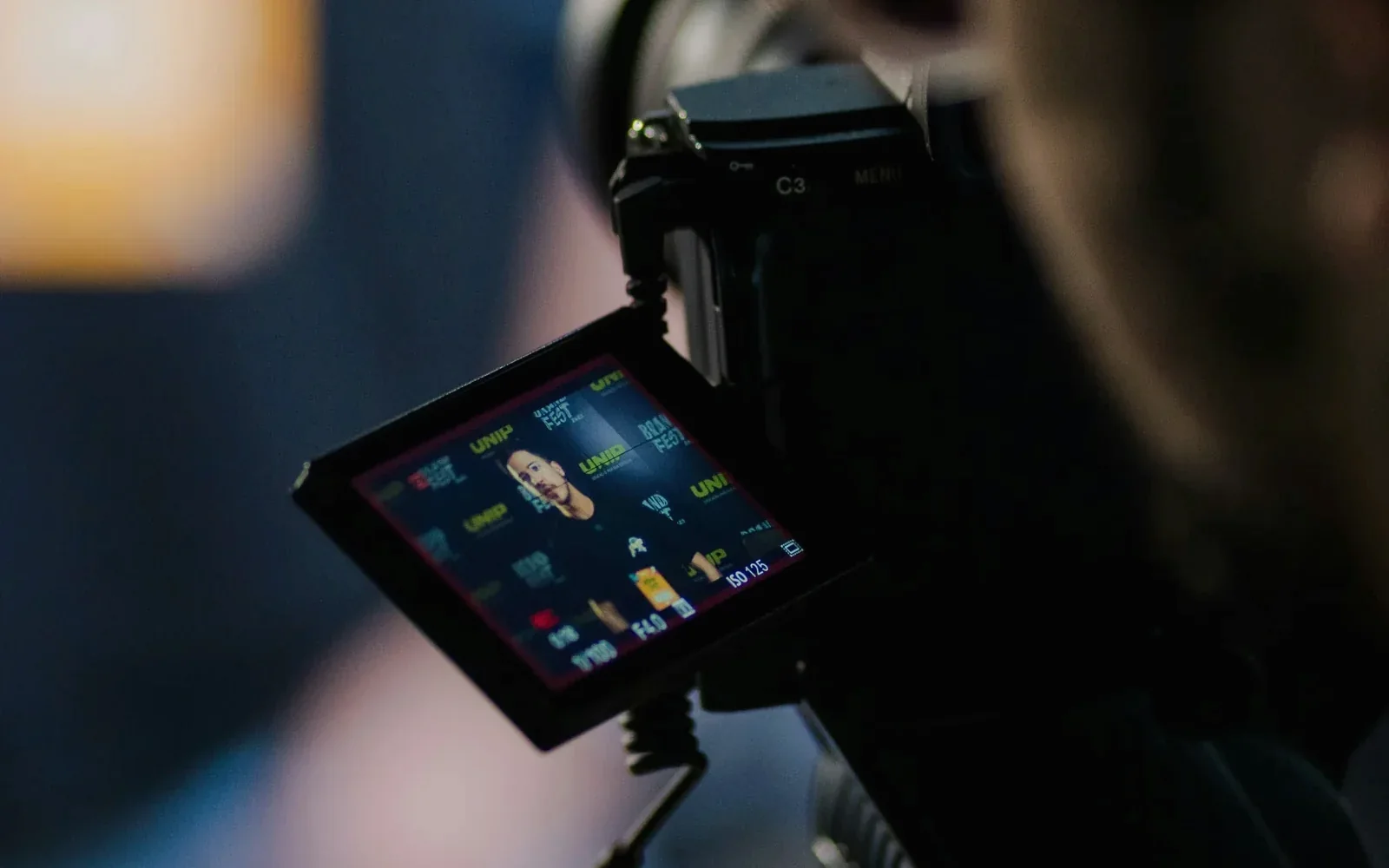
Replace with a controlled BTS image showing lighting, sound, privacy monitoring or staff-interview preparation in an approved zone.
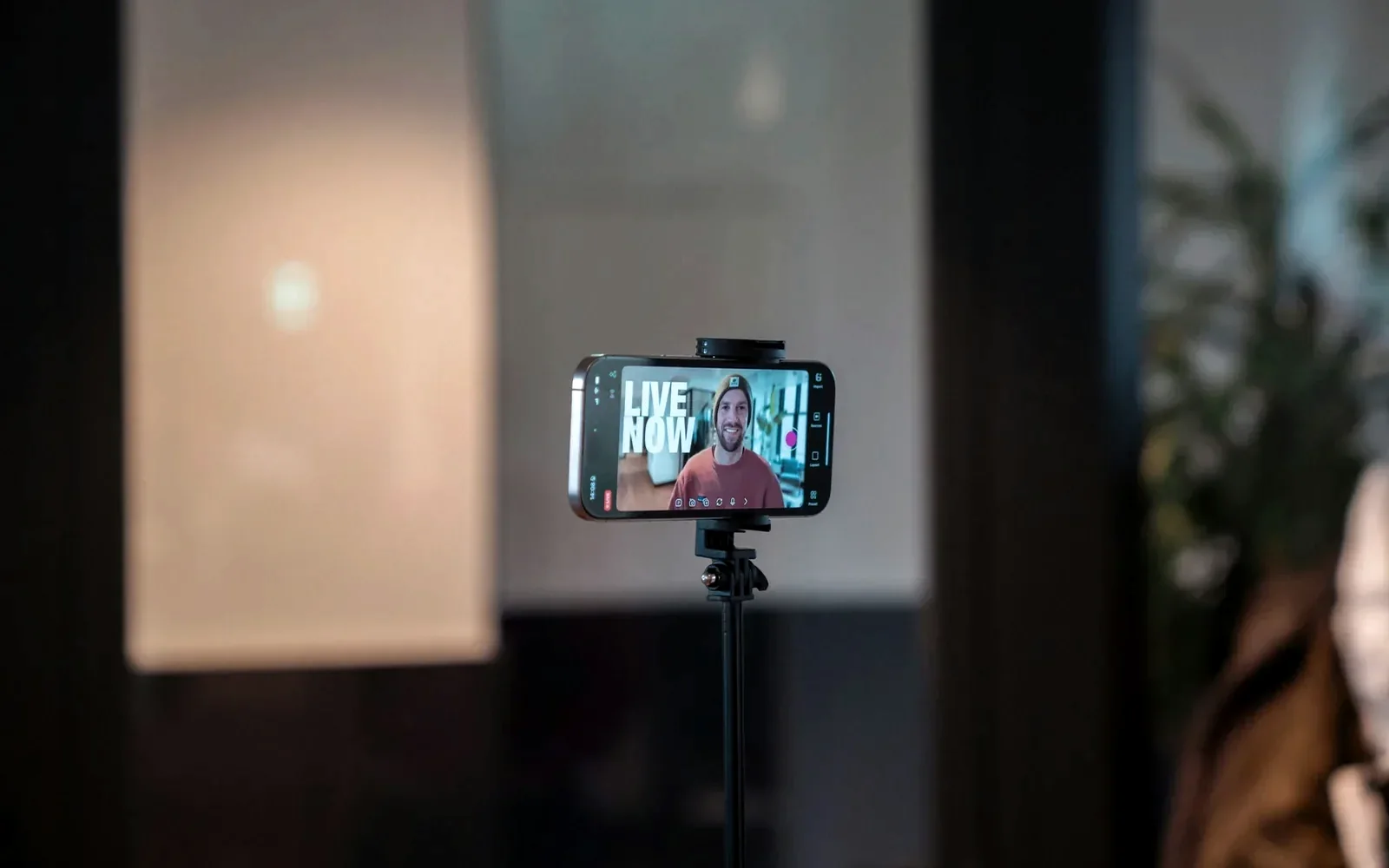
Replace with a deliverable board showing trust film, patient chapter, recruitment edit, captions and cleared stills.
Illustrative timeline
Evidence to request
Internal linking model
The source links below support only the public business context. They do not support any claim that SQUADPROD worked for, was endorsed by or delivered results for the named organisation.
FAQ